The Zero-Based Budget System: How to Stop Living Paycheck to Paycheck in 2027
Master the zero-based budgeting method to allocate every dollar of income, accelerate debt payoff, fund sinking funds, and build an emergency reserve.
What zero-based budgeting is (and why it works)
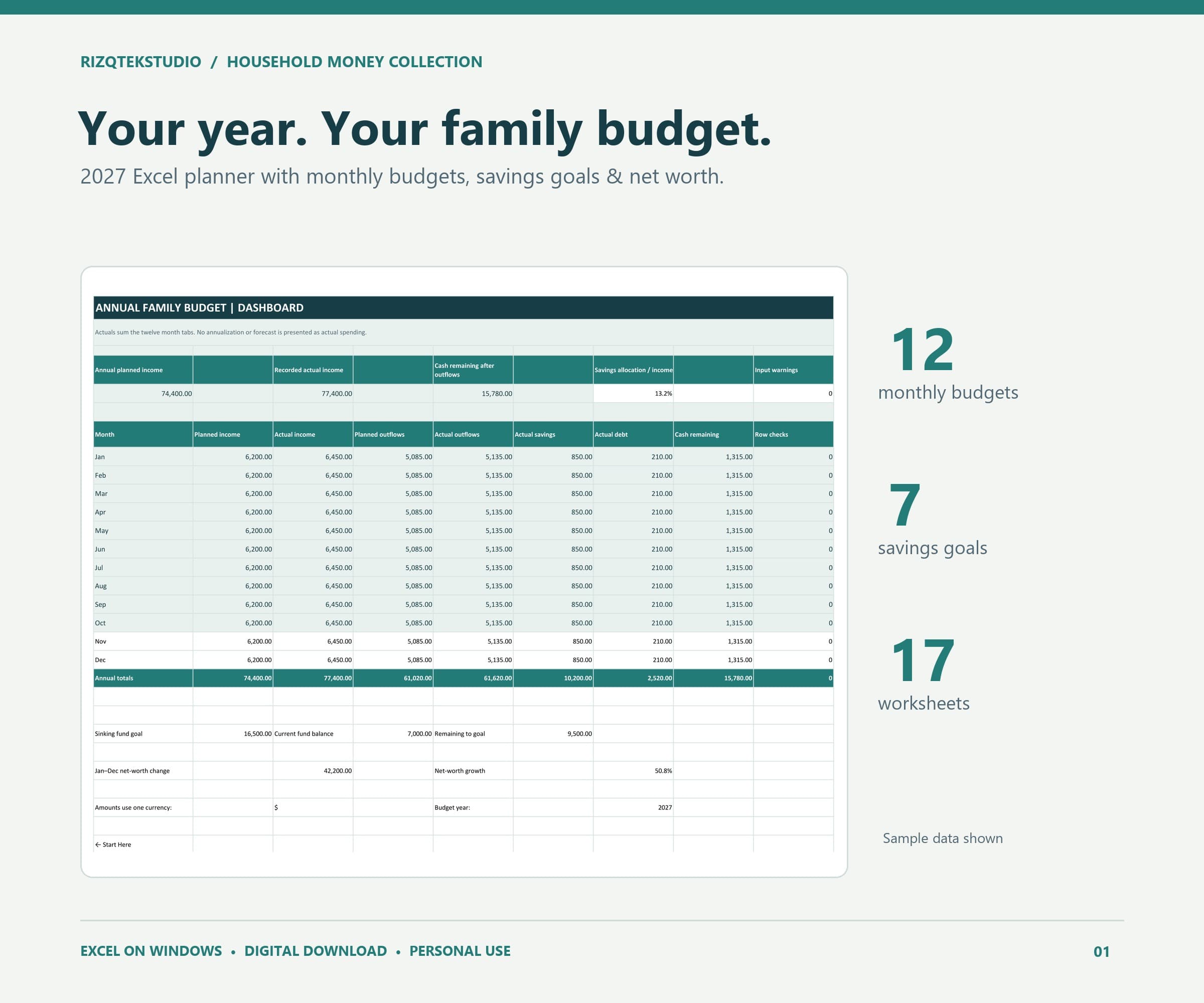
A zero-based budget does not mean having zero dollars in your bank account; it means having zero dollars of unallocated income. The core formula is straightforward: Total Monthly Income minus All Outflows (Expenses + Savings + Debt Payments) equals Zero.
When money sits in a checking account without a designated assignment, it tends to evaporate through micro-spending, unneeded dining out, and impulse purchases. Assigning every dollar a specific job before the month begins transforms budgeting from a restrictive chore into an intentional financial roadmap.
The four categories of an effective household budget
Structure your monthly spreadsheet into four distinct spending buckets: 1) Essential Four Walls (mortgage/rent, utilities, basic groceries, and essential transport), 2) Debt Reduction (extra principal payments toward high-interest credit cards or loans), 3) Sinking Funds (predictable future costs like car maintenance, medical deductibles, or annual insurance), and 4) Lifestyle & Discretionary spending.
Fund your essential needs and debt reduction targets first. If expected income is insufficient to cover all categories, you immediately know whether lifestyle spending must be reduced or supplemental household income is required.
Auditing the silent wealth killer: recurring subscriptions
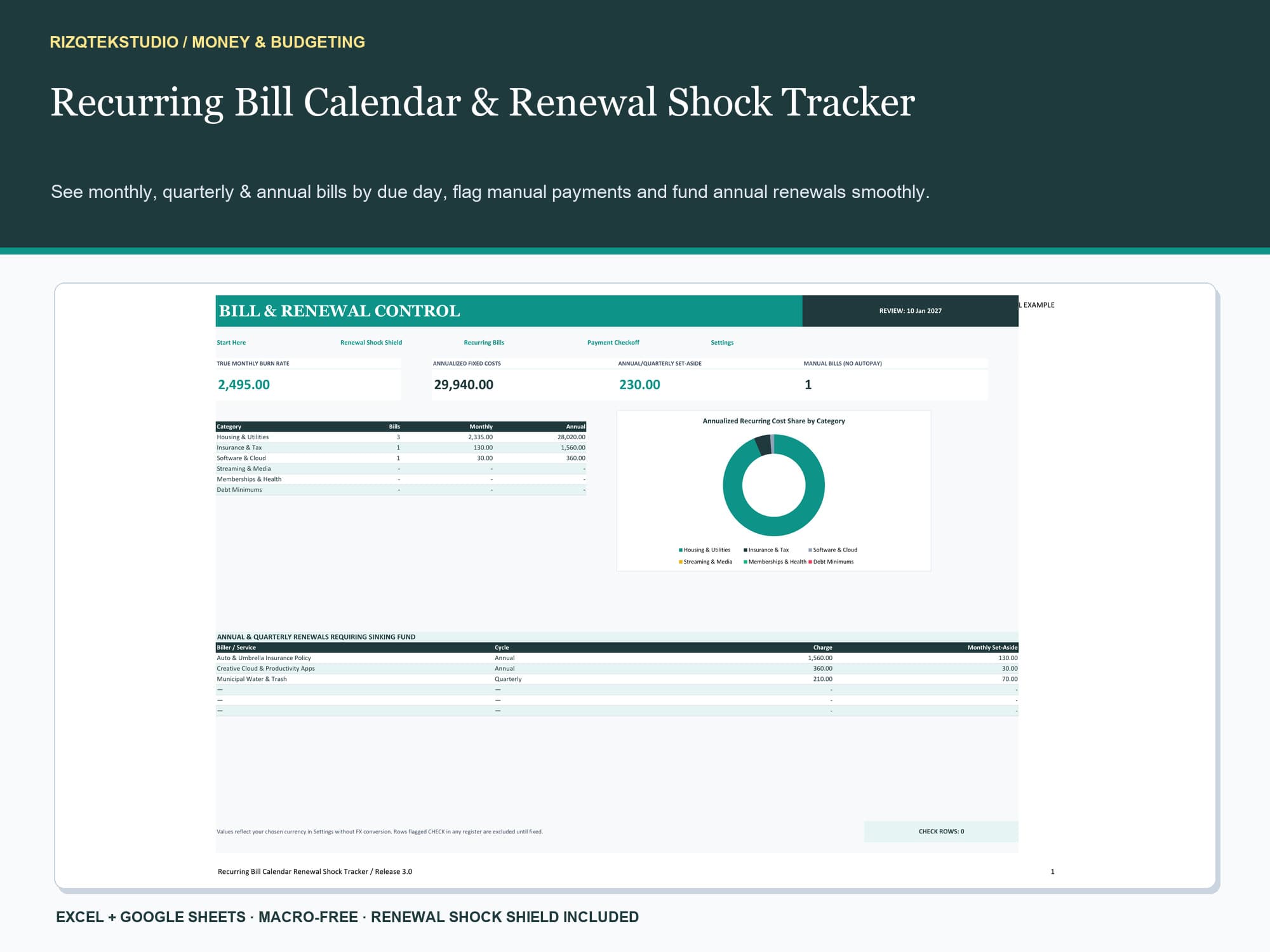
The modern subscription economy is engineered for passive financial leakage. The average household pays for between 8 and 12 recurring subscriptions—ranging from streaming platforms and fitness apps to cloud storage and delivery memberships—often spending over $200 per month on services they rarely use.
Use a dedicated subscription calendar spreadsheet to log the due date, billing cycle (monthly vs annual), payment method, and necessity score of every recurring fee. Reviewing this list once a quarter allows you to cancel unused services before they auto-renew.
Gamifying your savings with no-spend challenges
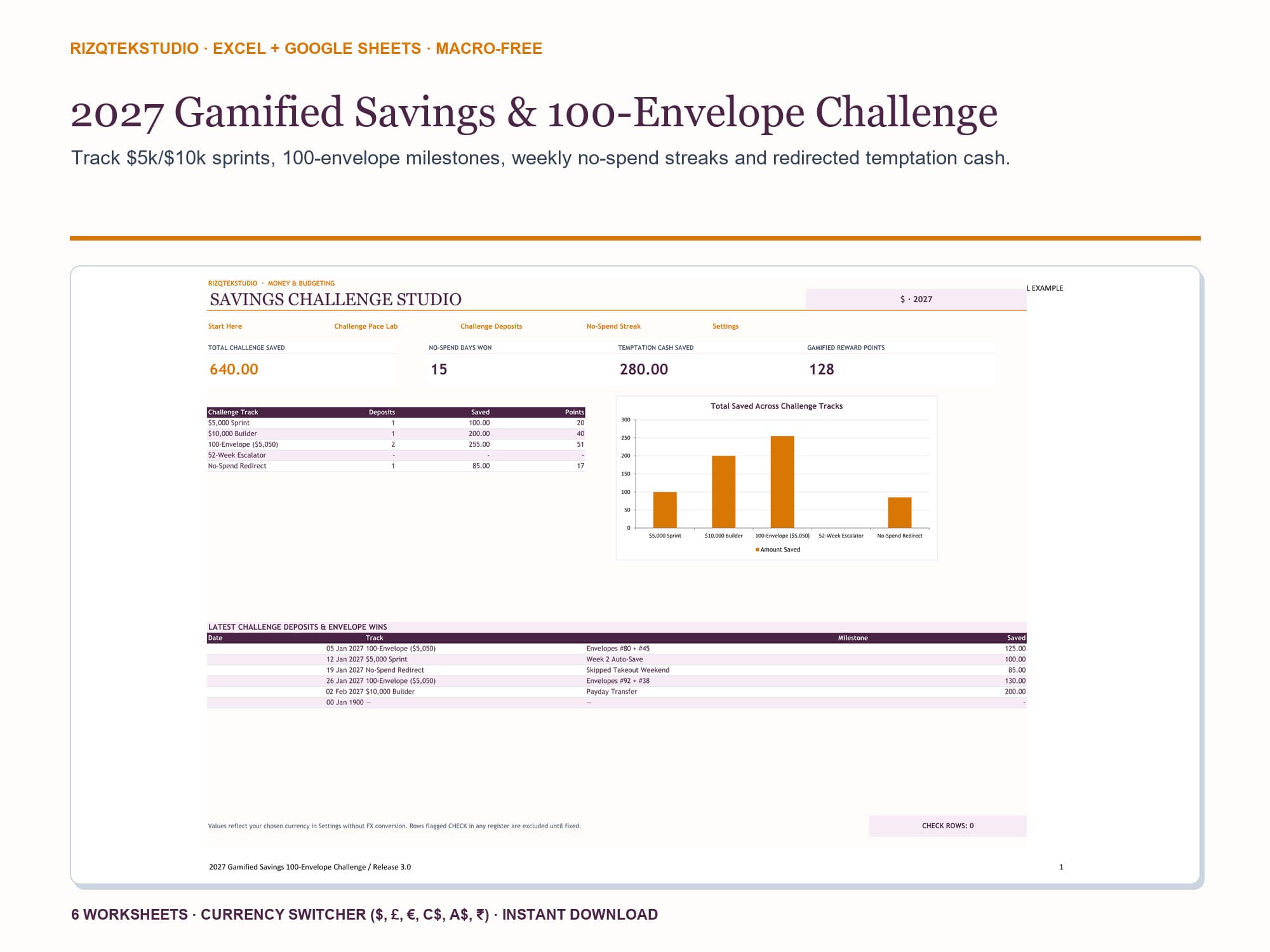
Saving money can feel like a slow, unrewarding grind without immediate visual feedback. Incorporating visual trackers—such as a 52-Week Incremental Savings challenge, a 100-Envelope Challenge, or a 30-Day No-Spend Sprint—makes financial discipline fun and measurable.
In a no-spend challenge, you commit to purchasing zero non-essential items for a defined window (such as two weeks or a month). Watching the green milestone boxes fill in on your spreadsheet creates psychological momentum that reinforces healthy financial habits.
The monthly budget review: continuous financial calibration
A budget is a living document, not a rigid contract set in stone. Schedule a 20-minute 'money date' at the end of each month with your spouse or household partner to review actual spending against planned estimates.
Analyze categories with significant variance without self-judgment. If grocery prices rose or utility bills spiked due to winter weather, adjust next month's category allocations accordingly. Over 12 consistent months of review, this feedback loop creates deep financial security and steady net worth expansion.
Educational workbook guidance. Figures in examples are fictional; verify your own records.